

Low Isles or Outer Reef: The Short Answer
Choose the Low Isles for calm, sheltered water, a relaxed day and younger children. Choose the outer reef at Agincourt or Opal Reef for the most spectacular coral, deeper water and scuba diving. If you have two days, do both. This guide compares travel time, snorkelling conditions and who each trip suits.
“There’s no wrong answer here. The outer reef will take your breath away with its scale. The Low Isles will take it with their quietness. What matters is knowing which one you’re ready for.”
Low Isles vs Outer Reef — Choosing Your Great Barrier Reef Experience from Port Douglas
Port Douglas offers two distinct Great Barrier Reef experiences: the outer ribbon reefs at Agincourt and Opal Reef, and the sheltered coral cay at Low Isles. Both are genuine and remarkable reef experiences. The question isn’t which one is better — it’s which one is right for you on this trip. This guide walks through the key differences to help you decide.


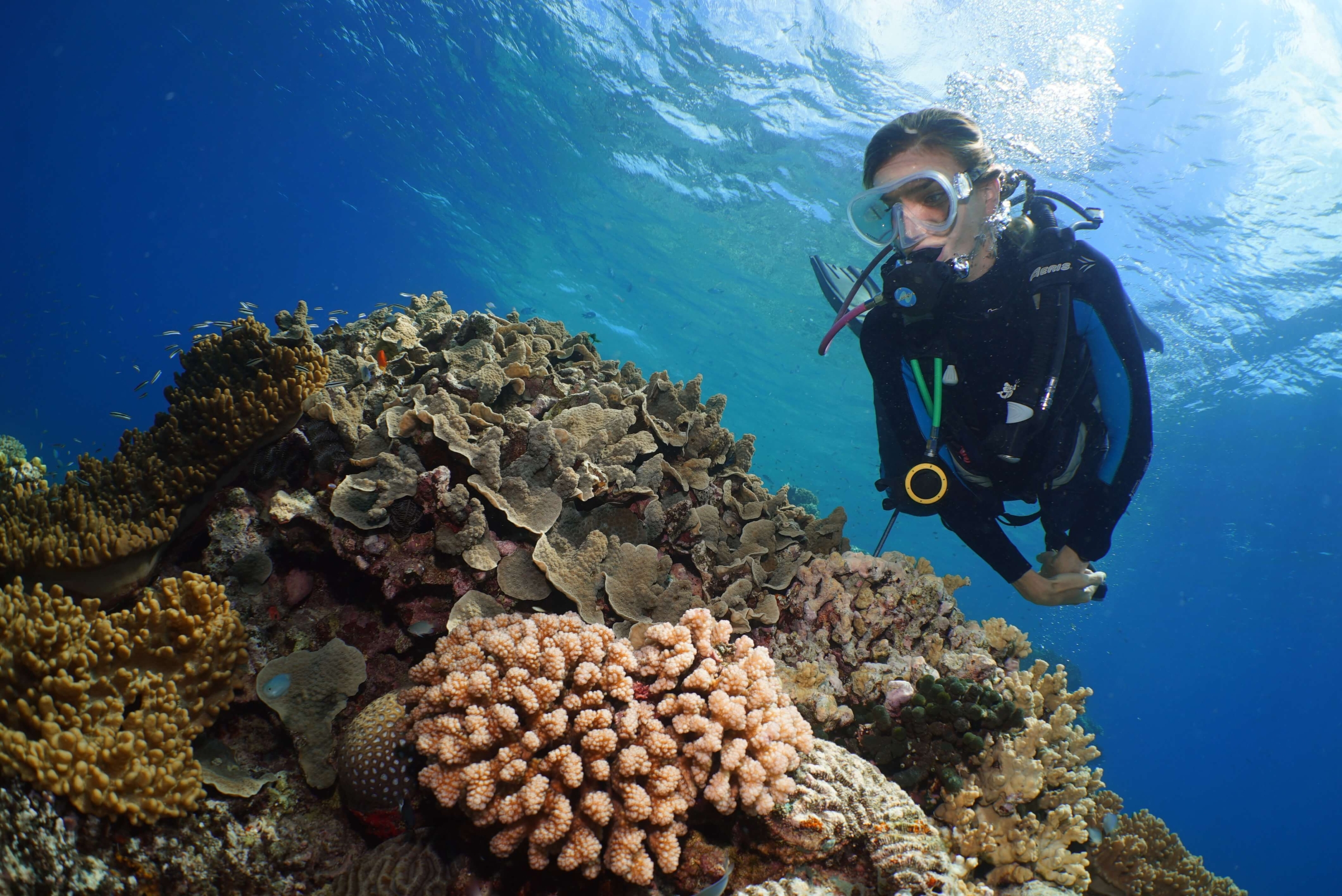

The Outer Reef — Scale, Clarity and the Deep
The outer reef sits at the edge of the continental shelf, about 45 kilometres offshore. The crossing takes 90 minutes by high-speed catamaran. Once you’re there, the scale is immediately apparent: the reef drops away from shallow coral gardens into deep blue water where reef sharks patrol, sea turtles move through unhurried, and schools of fish turn in formation through cathedral-like coral formations. Water visibility is exceptional — often 20–30 metres. The outer reef suits confident swimmers, snorkellers and divers who want maximum marine life exposure and don’t mind the crossing. It also suits families willing to manage the journey, as the pontoon operation is comfortable and well-facilitated.


Wavedancer Low Isles
Sail to the calm Low Isles to snorkel, with a glass-bottom boat and island walk.
The Low Isles — Intimacy, Turtles and the Heritage Lighthouse
The Low Isles lie 15 kilometres offshore — 45 minutes by sailing catamaran. The reef here is fringing rather than ribbon, calmer and shallower, and the coral cay itself is a destination in its own right: a pisonia forest, a 19th-century lighthouse and beach so close to the coral that you step off it directly into the snorkelling zone. Turtle encounters at the Low Isles are frequent and close — turtles are accustomed to snorkellers and often approach on their own terms. The Low Isles suit families with young children, older visitors, those sensitive to the longer crossing and anyone who wants to spend the day on a coral island as much as in the water.


The Honest Comparison
If you’re a certified diver or serious snorkeller after the most spectacular underwater scenery, the outer reef wins. If you’re travelling with children under 10, managing motion sickness or simply want a gentle, beautiful reef day with extraordinary wildlife moments, the Low Isles wins. If you have two days, do both — each provides something the other doesn’t, and together they give you the full breadth of what makes the Port Douglas reef experience unique. Many visitors describe the Low Isles as the more emotional of the two days precisely because it’s smaller, quieter and more personal.

Port Douglas Helicopter
Helicopter tours over the reef, the rainforest and the coast.

Port Douglas Markets
Local food, crafts and makers at Anzac Park every Sunday morning.

Book Your Reef Tour
Both options depart from Port Douglas marina. Bookings for outer reef tours are strongly recommended in advance. Low Isles tours book out quickly during peak season as well. For detailed information on each, visit our Low Isles and Agincourt Reef pages. Browse all available options on our Reef Tours page.
A Hot Getaways destination. Where Care is Our Compass.
Travel Kindly
At Hot Getaways, care is our compass — and a little kindness makes every journey better. When you visit Port Douglas, we gently ask you to:
- Protect the reef — wear reef-safe sunscreen and never touch or stand on the coral.
- Respect the wildlife — admire the birds, turtles and rainforest creatures from a distance, and take your rubbish home with you.
- Support local — choosing local operators, cafés and guides helps this beautiful town thrive.
- Honour Country — we travel on the traditional lands and sea Country of Australia’s First Peoples, with gratitude and respect to the Traditional Custodians past and present.
- Be kind to each other — a smile, a little patience and a helping hand make the day lovelier for everyone.
Small acts of care add up to something wonderful. Thank you for travelling kindly.