
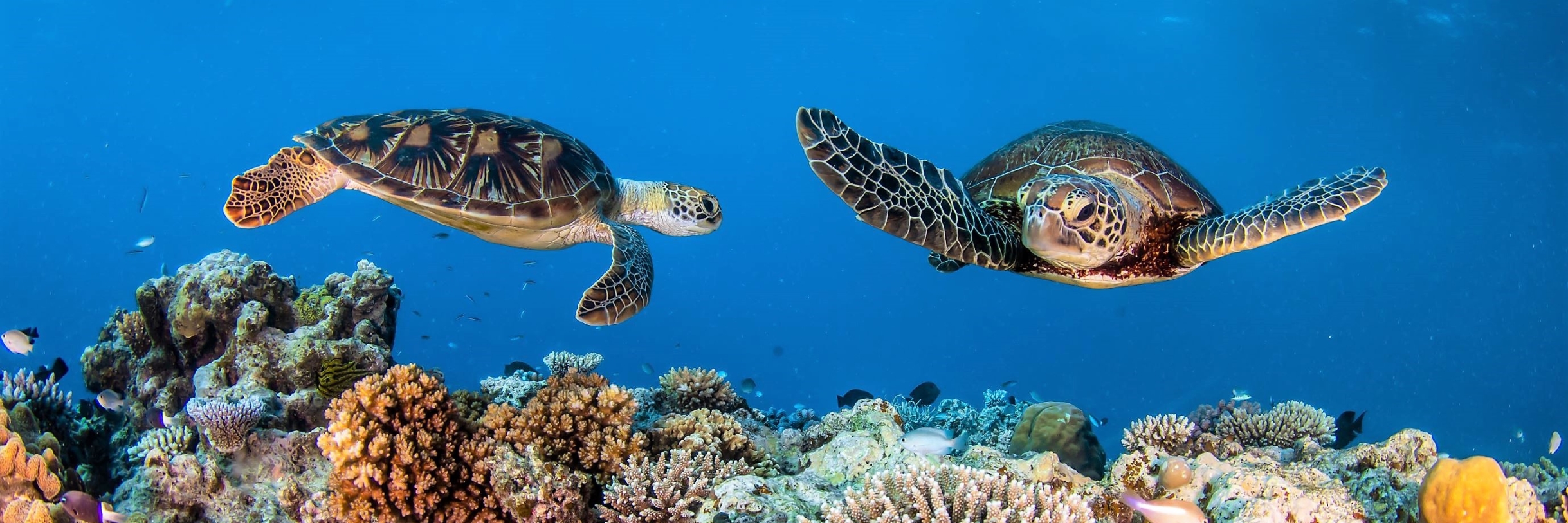
Reef-Safe Sunscreen at a Glance
Reef-safe sunscreen is made without the chemical filters, such as oxybenzone and octinoxate, that are linked to coral damage. Mineral sunscreens based on zinc oxide are the usual choice. This guide explains what to look for on the label and how to protect your skin on a reef day.
“The reef asks very little of you. Mostly, it asks that you don’t bring the wrong sunscreen. That one thing — reef-safe sunscreen — is among the most meaningful choices you’ll make on your reef day.”
Reef-Safe Sunscreen — What It Is and Why It Matters at the Great Barrier Reef
Reef-safe sunscreen is not a marketing gimmick. It’s a genuine environmental necessity — and on every reef tour departing from Port Douglas, it’s mandatory. Understanding the difference between reef-safe and conventional sunscreen helps you make the right choice before you even leave your accommodation.

The Problem with Chemical Sunscreens
Most conventional sunscreens use chemical UV filters — principally oxybenzone and octinoxate — that have been shown in scientific studies to be toxic to coral. These compounds interfere with coral reproduction, disrupt the relationship between coral and the zooxanthellae algae it depends on for nutrition, and contribute to coral bleaching. They wash off immediately when you enter the water, dispersing into the reef environment. At the scale of thousands of reef visitors every year, even small concentrations have measurable ecological effects.
What Reef-Safe Sunscreen Contains
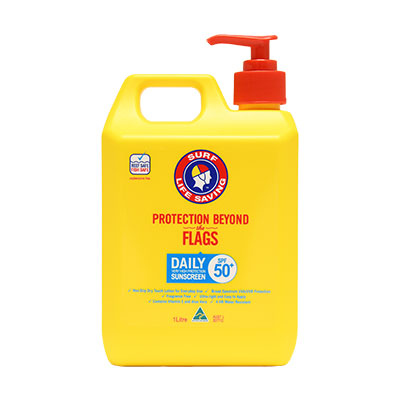
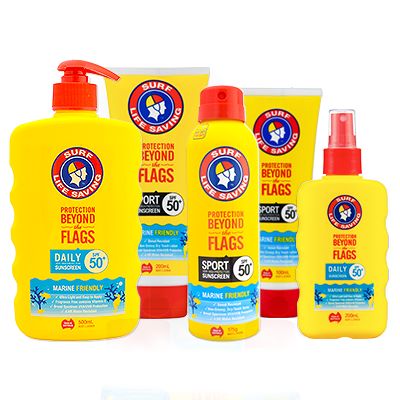
Reef-safe sunscreens use mineral-based UV filters — zinc oxide and titanium dioxide — that sit on the surface of the skin and reflect UV radiation without penetrating and disrupting marine organisms. They are physically protective rather than chemically reactive. Look for products labelled “reef-safe”, “mineral sunscreen”, or “non-nano zinc oxide” — the “non-nano” specification means the particles are large enough not to be ingested by coral filter feeders. If a product lists oxybenzone, octinoxate, octocrylene or avobenzone in its ingredients, it is not reef-safe.
How to Use Reef-Safe Sunscreen Effectively
Apply reef-safe sunscreen 20–30 minutes before entering the water to allow it to bond with your skin. Reapply after extended time in the water — even water-resistant mineral sunscreens lose effectiveness over time. Combine sunscreen with a rashguard or long-sleeved swim top for maximum protection; the Far North Queensland sun is intense and SPF50+ alone is not a substitute for physical coverage. Reef-safe sunscreen is available for purchase on most reef tour vessels if you haven’t brought your own.

Great Barrier Reef
What to see and how to visit Australia’s most famous natural wonder.

Daintree Rainforest
The world’s oldest tropical rainforest, from Mossman Gorge to Cape Tribulation.


Mossman Gorge
Rainforest walks, a clear river and the Mossman Gorge Cultural Centre.
Where to Buy Reef-Safe Sunscreen in Port Douglas
Reef-safe sunscreen is widely available in Port Douglas at pharmacies, resort shops and tour operator check-in desks. It’s also available in the Reef Visitor Information Hub at the marina. Buying reef-safe sunscreen locally ensures it’s the right product — and supports the local businesses committed to responsible reef tourism. For more on reef day preparation, visit our What to Pack for the Reef page and our Reef Safety Guide.
A Hot Getaways destination. Where Care is Our Compass.
Travel Kindly
At Hot Getaways, care is our compass — and a little kindness makes every journey better. When you visit Port Douglas, we gently ask you to:
- Protect the reef — wear reef-safe sunscreen and never touch or stand on the coral.
- Respect the wildlife — admire the birds, turtles and rainforest creatures from a distance, and take your rubbish home with you.
- Support local — choosing local operators, cafés and guides helps this beautiful town thrive.
- Honour Country — we travel on the traditional lands and sea Country of Australia’s First Peoples, with gratitude and respect to the Traditional Custodians past and present.
- Be kind to each other — a smile, a little patience and a helping hand make the day lovelier for everyone.
Small acts of care add up to something wonderful. Thank you for travelling kindly.