

Reef Safety at a Glance
The reef is safe to visit when you follow the crew’s briefing. Wear a stinger suit in the warmer months, use a flotation aid if you are not a confident swimmer, stay within the marked snorkelling area and never touch or stand on coral. This guide covers everything to know before you get in the water.
“The reef looks after you when you look after it. Follow the rules, listen to the briefing, respect the creatures you encounter — and the experience will be one of the best of your life.”
Before You Enter the Water — Reef Safety Essentials
The Great Barrier Reef is one of the world’s great natural wonders, and visiting it is an extraordinary privilege. Like any marine environment, it requires respect and basic safety awareness. This guide covers everything you need to know to have a safe, responsible and memorable reef experience from Port Douglas.
Listen to Your Reef Briefing
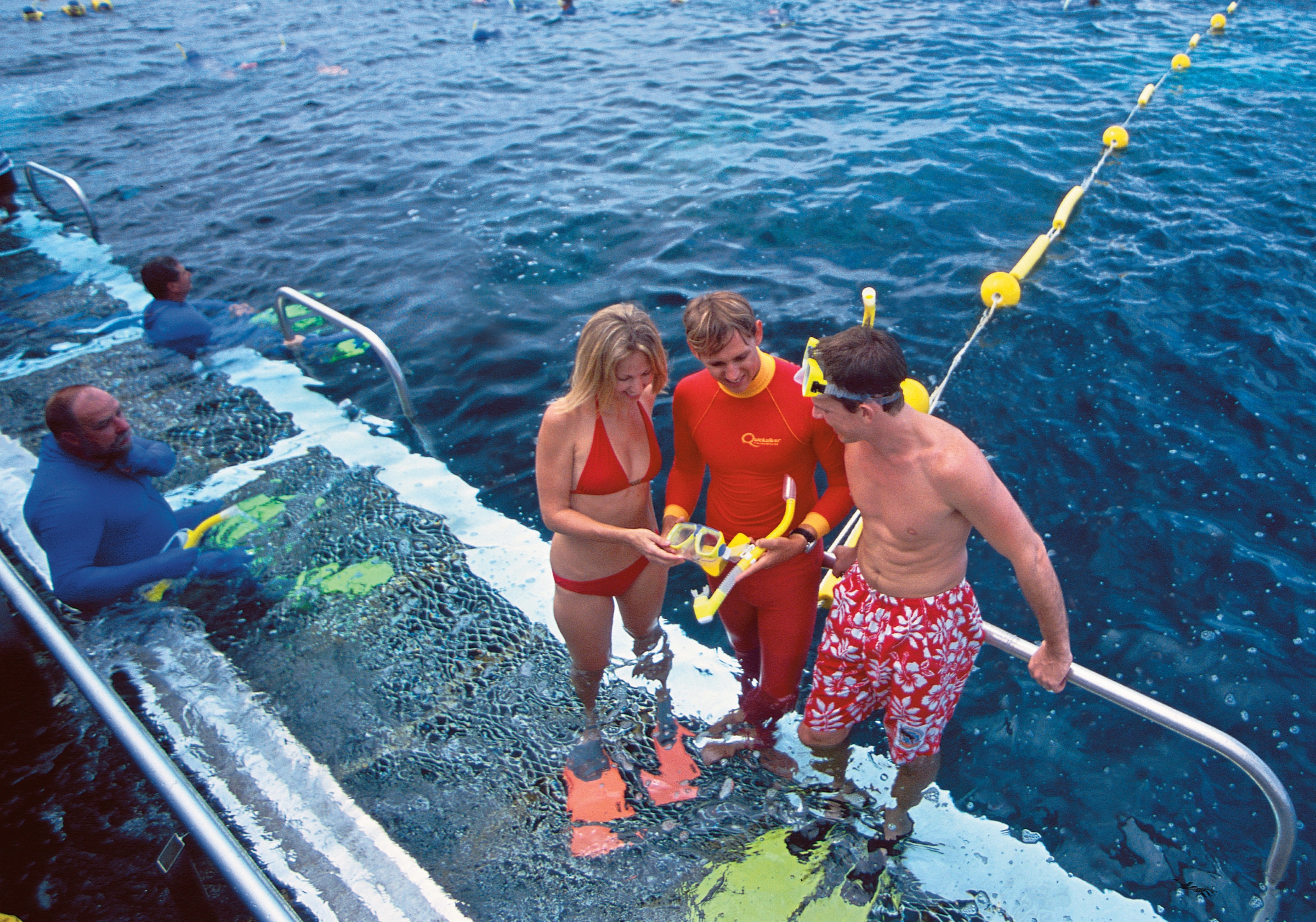
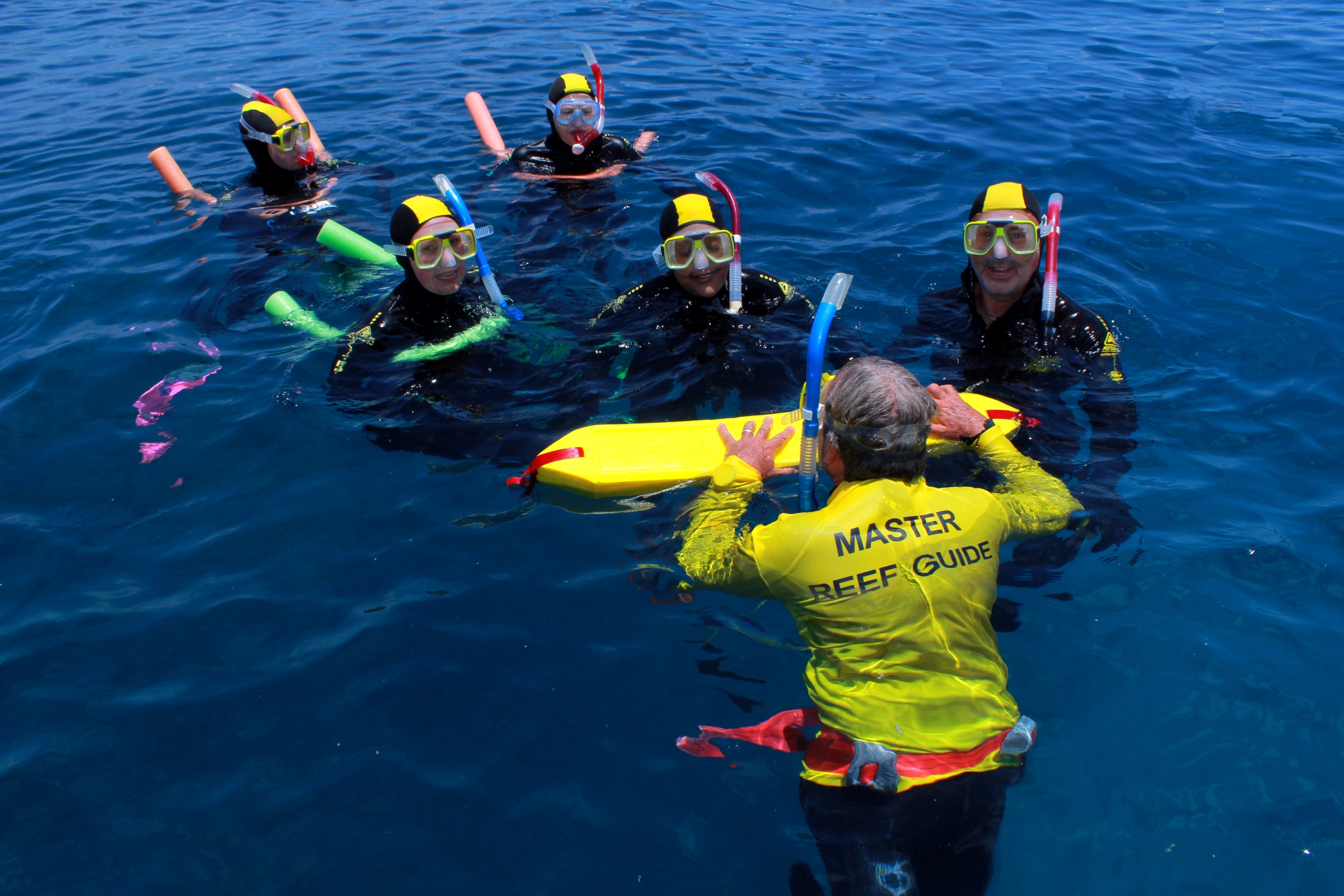
Every accredited reef tour operator is required to deliver a reef safety and environmental briefing before visitors enter the water. Pay attention to this. The briefing will cover how to enter and exit the water safely, what to do in the unlikely event of a medical emergency, how to avoid damaging coral (don’t stand on it, don’t touch it), and how to interact responsibly with marine life. The briefings are short, clear and genuinely useful. They also cover the specific characteristics of that day’s reef site — currents, entry points, depth markers and wildlife to watch for.
Don’t Touch the Coral
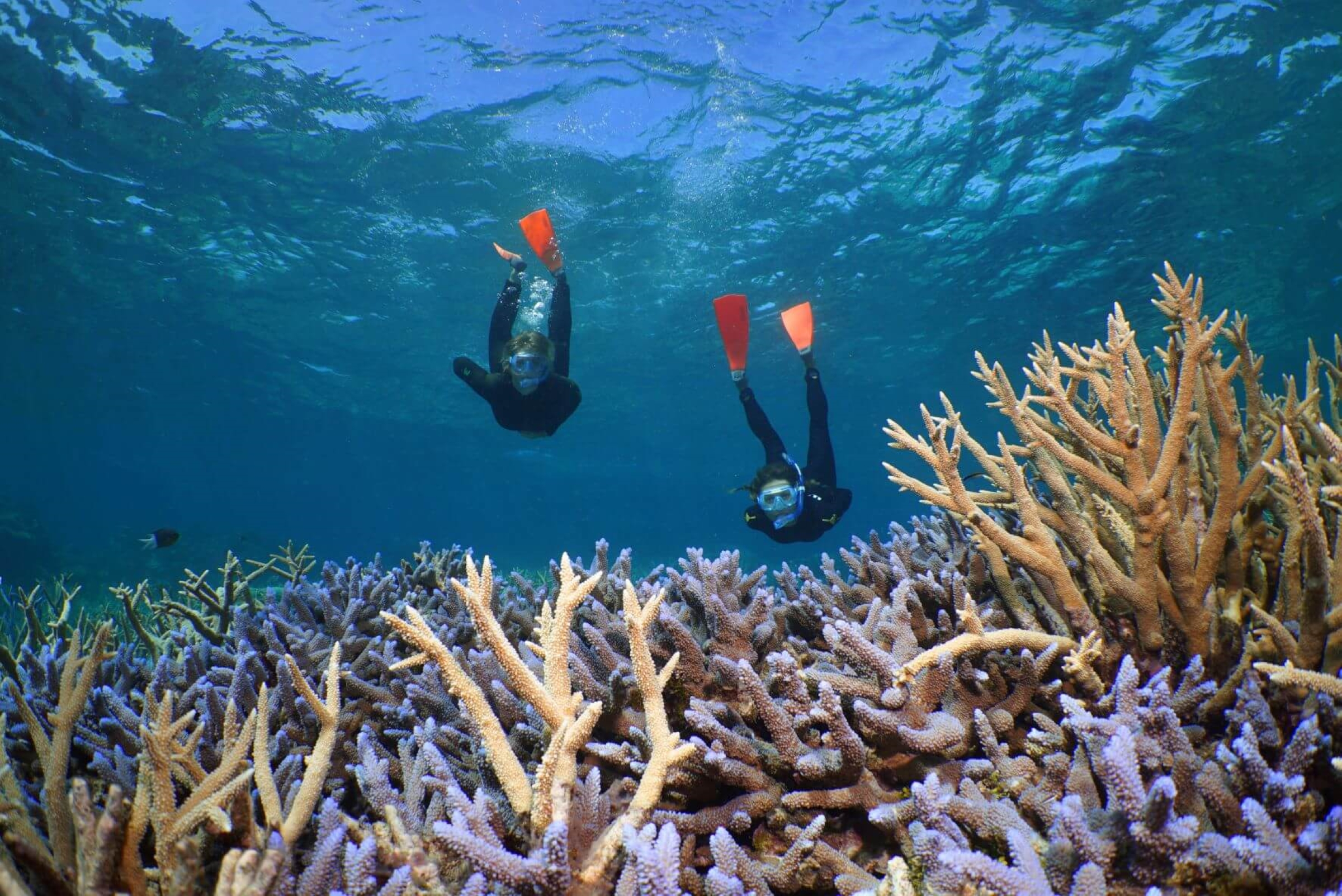
This is the single most important rule on the reef. Coral is a living organism — a colony of tiny animals called polyps — and even gentle contact from a hand or fin can damage or kill it. Keep your fins away from the reef surface, don’t stand on coral rubble, and avoid any behaviour that involves grabbing, kicking or resting on coral structures. If you’re not a confident snorkeller, practise buoyancy control before your reef day and consider using a pool noodle or flotation device to stay horizontal without effort.
Reef-Safe Sunscreen is Mandatory
Standard chemical sunscreens contain oxybenzone and octinoxate, compounds that are toxic to coral and contribute to coral bleaching. All operators departing from Port Douglas require visitors to use reef-safe (mineral) sunscreen containing zinc oxide or titanium dioxide. These are available for purchase at most operators’ check-in desks if you haven’t brought your own. Apply sunscreen before you arrive at the marina — chemical sunscreens wash off immediately in the water and can contaminate the reef within minutes of entry.

Scuba Diving
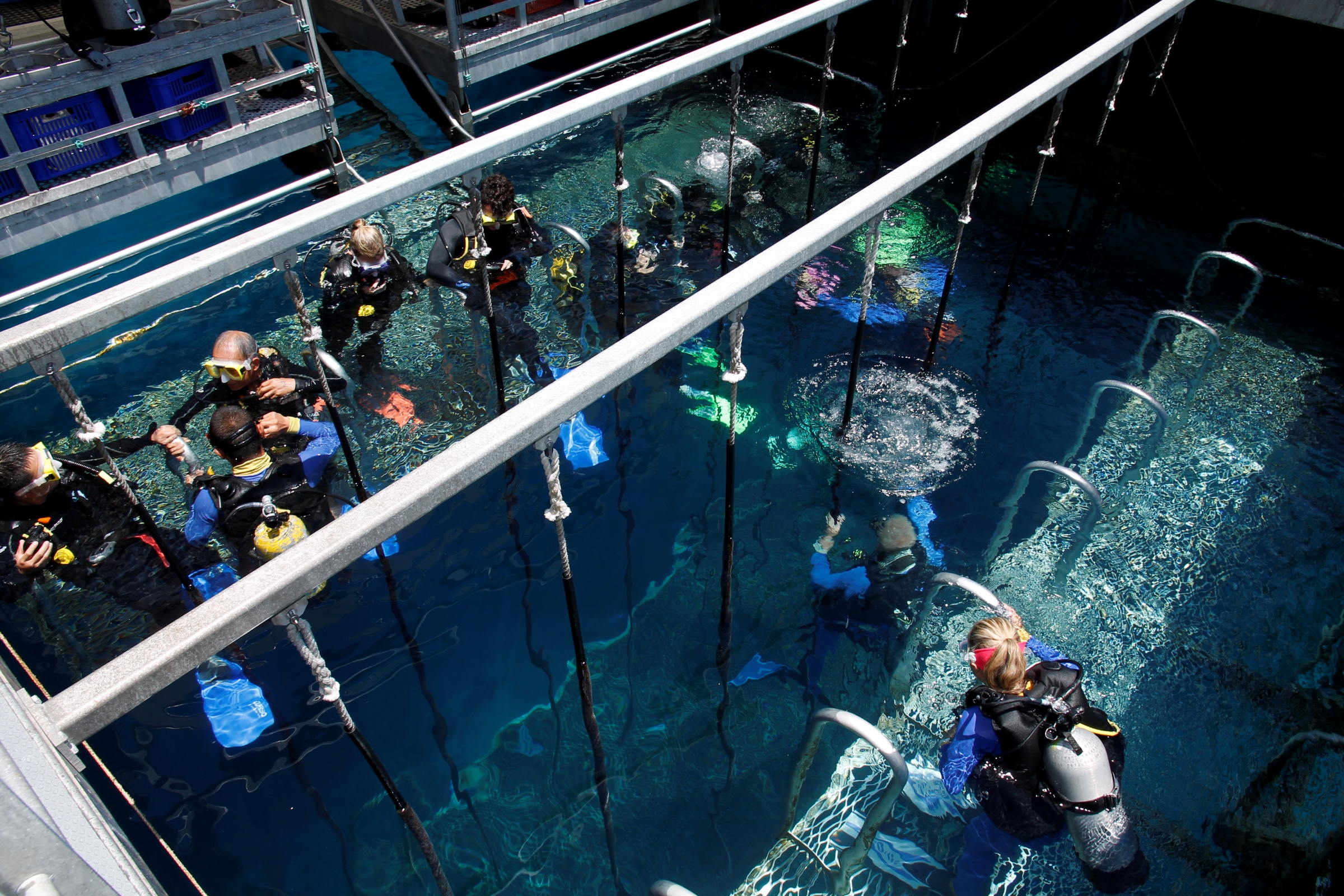
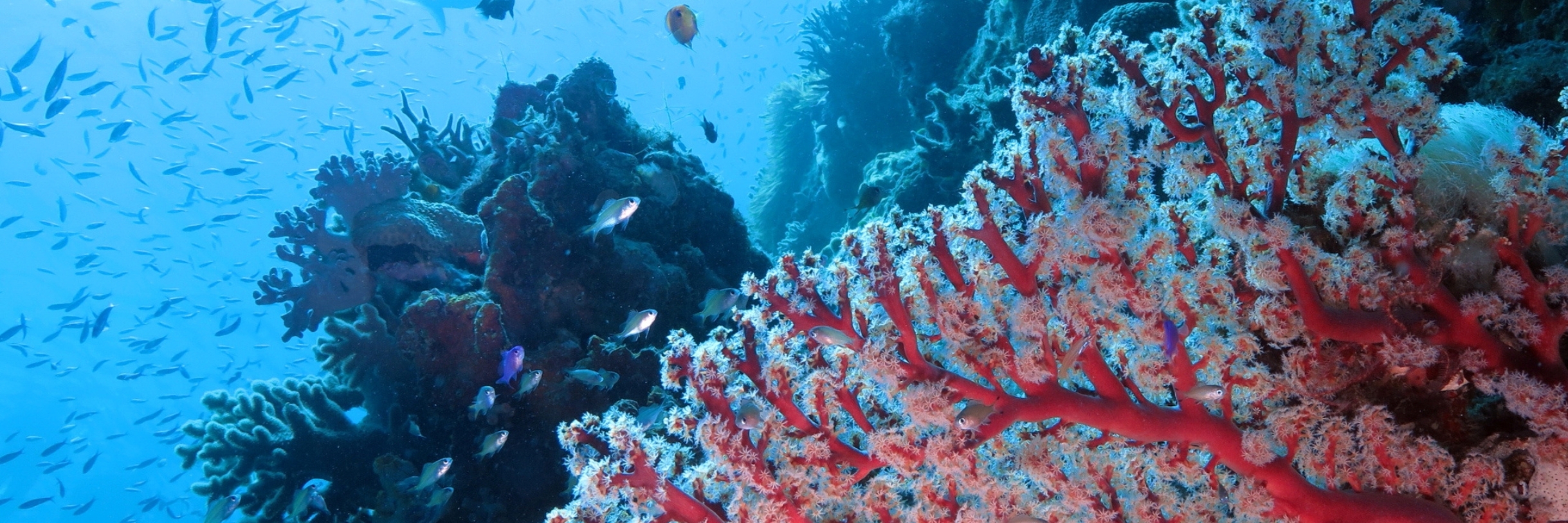
Certified dives, intro courses and top dive sites such as Agincourt, Opal and Mackay Cay.
Introductory Scuba Diving
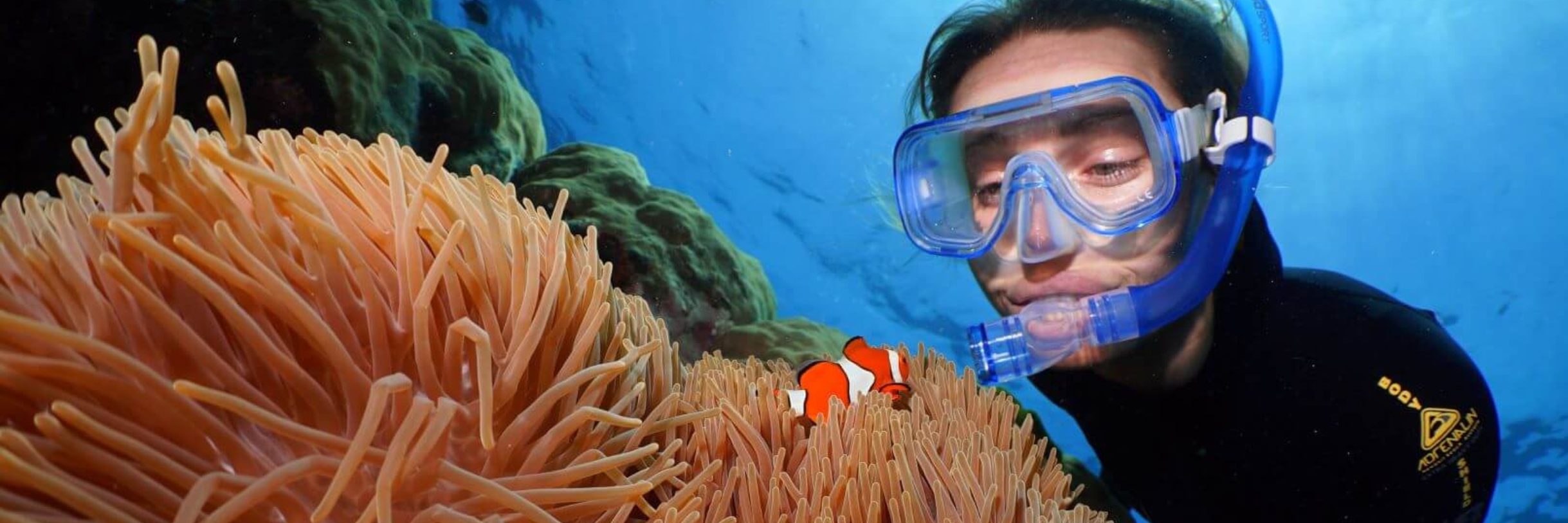
Guided dives for beginners on the Great Barrier Reef, no certificate needed.

Marine Life — Observe, Don’t Interfere
Sea turtles, reef sharks, giant clams, potato cod and the countless reef fish you’ll encounter are wild animals in their natural environment. Do not feed them, chase them, corner them or attempt to ride or touch them. Turtles in particular are a beloved feature of reef days — they’re entirely accustomed to snorkellers and will often approach of their own accord. Watching them move through the water without interference is genuinely extraordinary. Any interference is illegal under the Great Barrier Reef Marine Park Act and can result in significant fines.
Know Your Limits and Ask for Help
If you’re not a confident swimmer, tell your operator before your tour. Most operators can arrange a guided in-water companion, additional flotation equipment or an alternative viewing option (glass-bottom boat, semi-submersible) at no extra cost. There is no shame in asking for support — the reef is for everyone, and operators want you to have a great experience regardless of your swimming ability. Sea sickness medication is advisable if you’re prone to motion sickness on the open-water crossing. For more preparation advice, see our What to Pack for the Reef guide.
A Hot Getaways destination. Where Care is Our Compass.
Travel Kindly
At Hot Getaways, care is our compass — and a little kindness makes every journey better. When you visit Port Douglas, we gently ask you to:
- Protect the reef — wear reef-safe sunscreen and never touch or stand on the coral.
- Respect the wildlife — admire the birds, turtles and rainforest creatures from a distance, and take your rubbish home with you.
- Support local — choosing local operators, cafés and guides helps this beautiful town thrive.
- Honour Country — we travel on the traditional lands and sea Country of Australia’s First Peoples, with gratitude and respect to the Traditional Custodians past and present.
- Be kind to each other — a smile, a little patience and a helping hand make the day lovelier for everyone.
Small acts of care add up to something wonderful. Thank you for travelling kindly.